Ph.D Student
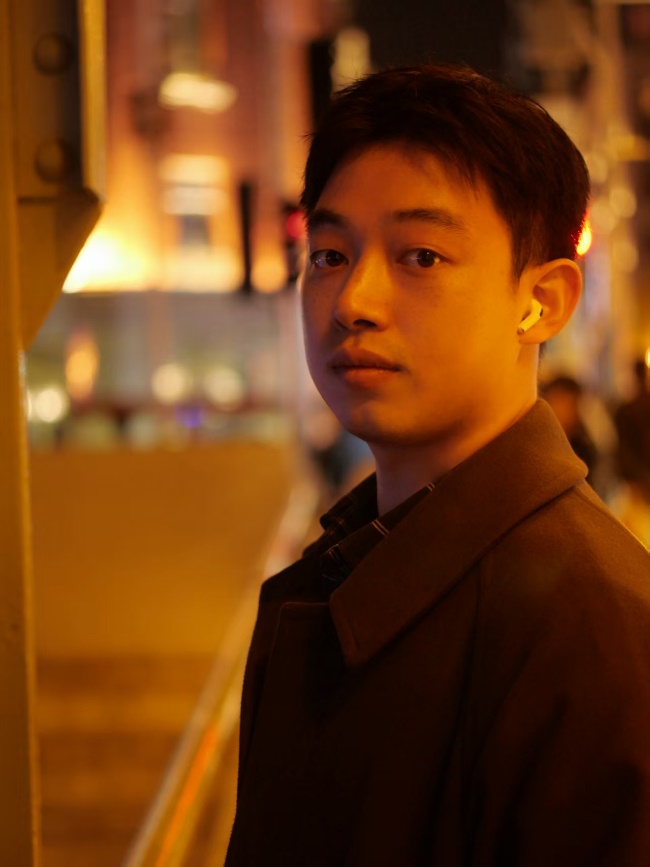
Rongtao Wu
Ph.D student of attention and memory (AM) lab
Email: wangbenchi@163.com
Stimulus-driven and goal-directed attention
When multiple competing stimuli are present in the environment, a central question in cognitive
neuroscience is how the brain allocates attention between “stimulus-driven” and “goal-directed”
control processes. Stimulus-driven attention, particularly salience-based orienting, enables rapid
detection of novel or unexpected events, supporting adaptive behavior in unpredictable contexts. In
contrast, goal-directed control maintains task priorities, suppresses distractors, and stabilizes cognition
over time. Using intracranial EEG (iEEG), I investigate how the brain represents salience and goal-directed
control signals, and how it regulates the influence of task-irrelevant salient information.